If you view a team strategy a field gateway for the very first time, you can usually find who chats for a living and who pays attention. The talker barrels through strategies and a clipboard. The listener lingers a step back, eyes on the equines, reviewing the area without stating a word. The herd notifications both, and each steed makes a peaceful decision regarding whom to trust. That moment informs me much more about a team's behaviors than a full early morning of slide decks.
I have actually spent the last years assisting groups via equine-assisted coaching and equine-assisted activities, from health care departments trying to smooth handoffs, to software application squads developing an item on a tight release cycle, to school personnel wore out by another difficult year. Steeds do not respect your task title. They respect your presence, your clearness, and whether your signals match your intent. That is why team structure with equines improves just how people lead and comply with. The lessons land in the body, not just the mind, which is where genuine adjustment sticks.
Why steeds make powerful companions for teamwork
Horses are victim animals with nerve systems tuned to subtle adjustments. In a domestic setting, they still track heart prices, breathing, eye focus, and stance in their setting. They are social, relational, and honest. When your group's communication is jumbled, the equines reflect it immediately. When your group comes into comprehensibility, the herd softens, breath decreases, ears flick toward you, and suddenly a thousand extra pounds of muscle moves with you, not versus you.
I have actually seen a seven-horse herd disregard a team that was bickering concerning that held the rope, after that attune like magnets when the team stopped briefly, breathed with each other, and selected a shared goal. We did not add a method. The human beings entered into positioning, and the equines reacted to that reality. This is the significance of experiential knowing with steeds. It bypasses lengthy theoretical arguments and places actions under a gentle yet consistent mirror.
Therapeutic horsemanship, frequently offered within wider equine-assisted services, has long offered people working with self-confidence, guideline, and skills of everyday living. For teams, we borrow that same level of sensitivity and use it to group dynamics. The work can seem like equine-facilitated health when the emphasis is tension and strength, or like equine-assisted coaching when the goal is leadership and interaction. Regardless, the herd's comments is prompt and nonjudgmental.
A day on the cattle ranch: exactly how a session unfolds
Teams typically invest 2 and a fifty percent to 4 hours with us. The pleasant spot for meaningful modification kicks back three hours. Much shorter than that, and people are simply heating up. Longer, and interest and energy begin to flag unless we plan breaks around the steeds' needs also. A normal group is eight to twelve individuals. We can accommodate up to 16 with a 2nd facilitation group and a broadened herd.
Here is an uncomplicated flow that lots of teams find useful:
- Arrival and safety and security briefing, with time to work out nerves and established intentions. Warm up with nonverbal link, no halters, discovering to read the horses and each other. Paired or small-group challenges, such as moving a steed through a pattern without touching. Debrief, mapping what dealt with the horses to current team projects. Integration, a short method individuals can repossess to the office, and a clear close.
We do not ride during group structure unless there is a clear goal that calls for it and the group has ideal experience. Ground-based equine-assisted tasks are more comprehensive, safer for mixed-ability groups, and incredibly effective for the abilities most organizations want to build.
Safety, well-being, and permission, for people and horses
A well-run program begins prior to any person touches a lead rope. We match horses to teams based upon temperament and history. Each steed obtains structured downtime, herd time, and routine bodywork as required. We top the number of sessions per week, revolve the herd, and track indicators of stress and anxiety. If a horse pins ears and swishes the tail consistently, we go back, adjust the strategy, or swap equines. Welfare comes first. When steeds feel secure and highly regarded, the understanding for human beings deepens.
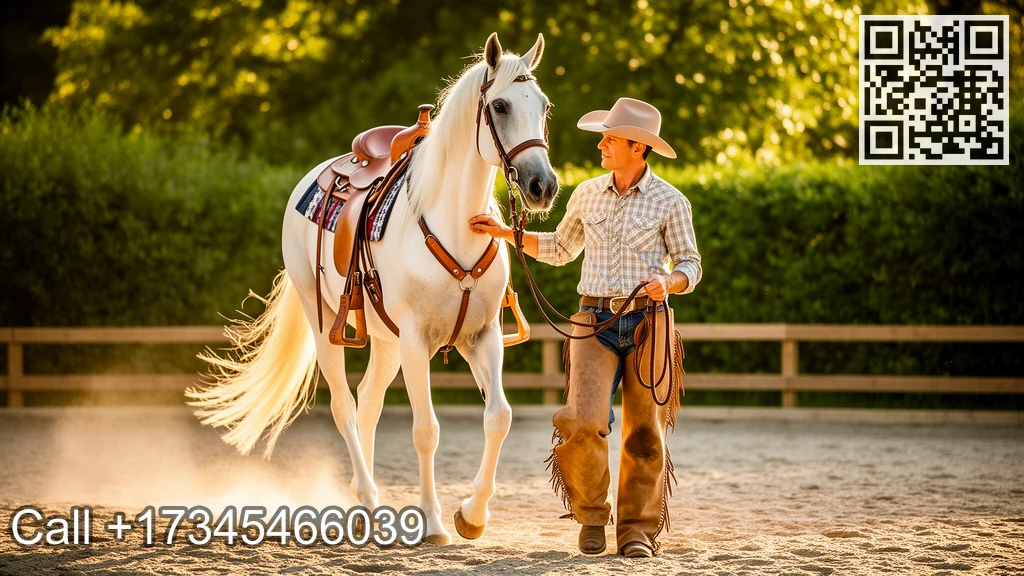
Human safety is nonnegotiable. Helmets are offered for any task that might elevate danger, and closed-toe shoes are required. We start with a rundown on how equines see and relocate, where to stand, how to touch, and what to do if an equine moves weight towards you. An equine specialist stays inside the field for every single workout, and a trainer enjoys individuals. If any person really feels overwhelmed, we pause. Authorization matters for people as well. No person is compelled to lead a steed or to speak in a debrief. Monitoring is a valid role.
What to bring, and what to expect in your body
Think trail, not conference room. Dirt and climate belong to the setting. People turn up in different ways when they can breathe outdoors air and see a perspective that is not a display. Your body will register the change. Breathing reduces. Shoulders drop. For some, feelings surface area that have been tamped down throughout active weeks. We make room for that without turning the afternoon right into therapy. The point is to discover by doing, not to unspool personal histories.
A fast packaging note aids the day go efficiently:
- Closed-toe shoes with great step, no sandals. Layers you can move in, and a hat if the sun is strong. A canteen, we re-fill on site. Sunscreen and insect repellent as needed. A desire to leave phones in a bag for a couple of hours.
We work in most weather condition. If warmth spikes, we reduce sector time and lengthen color and water breaks. If cold snaps, we maintain individuals relocating and utilize the barn aisle for part of the session. Lightning closes us down. We develop a weather condition back-up day into every contract to safeguard your team's investment.
What teams in fact find out, gauged in behavior
The ideal compliment I hear is not that the day was enjoyable, though it often is. It is that 3 weeks later on, something at the office got less complicated. For instance, a product team that might not choose without knotting for days now identifies the decider, invites input in a set time box, commits, and moves. That change started when they realized that 3 people were getting hold of the lead rope at once. The horse grew feet and tuned them out. When they chose a solitary leader and called duties, the equine walked with them, light on the rope.
Another team, a hospital unit recouping from a harsh quarter, came stressful and breakable. Throughout a straightforward exercise asking a horse to step on a platform, they attempted tougher and harder, voices limited. Absolutely nothing. We asked to stop and do nothing for one min. Then we attempted once again. The equine lifted an unguis and put it on the brink. Not magic, just nerves syncing in a manner that permitted participation. That minute carried back to shift modification, where they currently construct in sixty secs of silent prior to assessing situations. Absenteeism went down over the following two months. It was not only the equines, naturally, but the practice militarized a various tone.
Gains have a tendency to cluster in four areas. First, clarity and function definition. Second, harmony in between words and nonverbal signals. Third, resistance for unpredictability. Fourth, feedback hygiene, the way individuals provide and receive program improvements. Equines are talented instructors in all 4. If your intent and body signal differ, a steed picks the body every single time. If you hint instead of decide, the horse waits you out. If you get distressed and press, the steed may escalate, mirror your stress, or leave. Many groups see their habits come alive in those communications and uncover better options on the spot.
The facilitator's role, and what not to do
Good equine-facilitated training looks much less like a lecture and even more like a well-timed inquiry. The steeds offer the core comments. Our work is to keep everybody risk-free, name what is taking place in clear language, and tether the discovering to your real job. I will ask, Whose work is it to decide now? Or What did your body do when the steed stepped better? Or Where does this dynamic program up on Tuesdays in the 10 a.m. Stand-up? If we go too fast or layer on cute metaphors, the day collapses into entertainment.
I likewise look for protective jokes and performative management. Lots of teams attempt to charm the horses and me at first. Jokes rate, yet we do not conceal behind them. If someone insists on dominating an exercise, I may change their role to peaceful viewer for ten minutes and welcome one more voice onward. Fairness matters. So does humbleness. The horses appreciate both.
Adapting for different teams and needs
The structure flexes for various goals. For onset startups, rate and version dominate, so we develop short, repeatable challenges with fast debriefs to develop choice muscular tissue. For executive teams, we decrease to consider power and trust, then ask the group to lead with fewer visible hints, often no ropes in all. For cross functional teams that hardly ever meet, we spend even more time on reviewing each various other's standard signals and mapping where misinterprets expense time and goodwill.
Equine-assisted services can also support neurodiverse groups and people with terrific impact. We run specific days for ADHD equine finding out support, building frameworks that harness novelty and activity rather than combating them. Simpler directions, clear time limits, and physical tasks aid focus and involvement. For individuals on the autism spectrum, particularly in an autism equine learning program, we create foreseeable patterns, utilize aesthetic supports, and honor sensory needs. No roaring music, no scented hand sanitizer, and no pressure to make eye contact, with horses or human beings. Different treatment for sensory challenges, which includes collaborate with textures, pressure, and rhythm, sets normally with the barn atmosphere, supplied we move slowly and with consent.
Anxiety assistance with horses can appear like micro methods, such as extending exhale while putting a hand on a warm shoulder. This becomes part of somatic recovery with equines, not as a treatment, however as a way to experience law in context. People usually leave with a felt sense of what calm authority indicates in their very own bodies, which is more useful than the phrase itself.
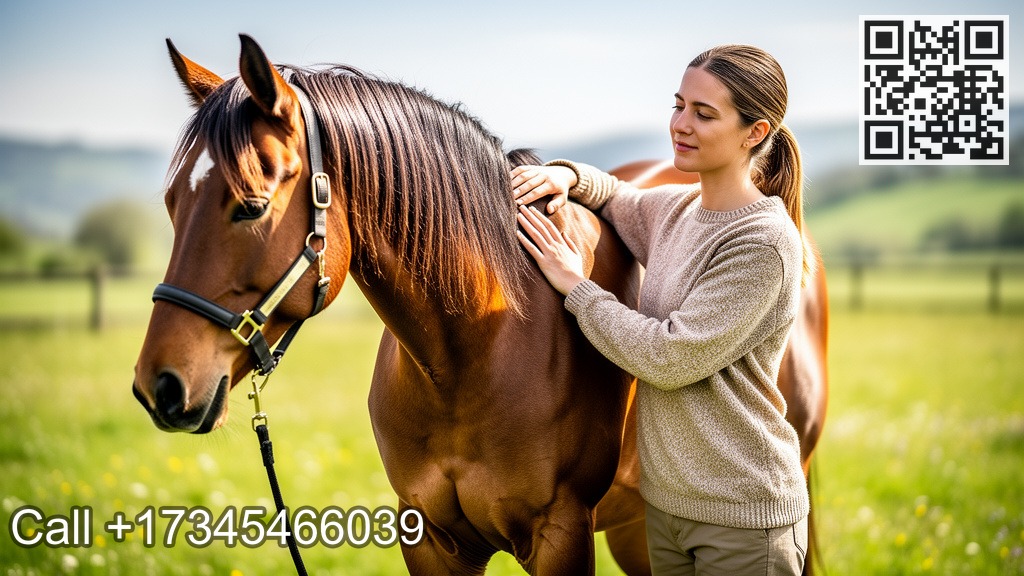
When teams include both neurotypical and neurodivergent participants, the equines help equalize. Loud charm does not automatically relocate a mare. Clear, type intent does. The area, rather literally, incentives inclusive leadership.
Cost, logistics, and choosing a provider
Practical issues affect results. For a half day with two facilitators and a secure herd, expect to spend a range from 2,500 to 6,000 bucks for a standard group, relying on area, center prices, and modification. A full day can vary from 4,500 to 10,000 dollars. Hidden costs might consist of transportation, event catering, and insurance motorcyclists. A lot of suppliers lug their very own obligation insurance coverage and require your group to sign launches. Ask to see certificates.
Vet a program with the exact same care you would certainly a technological supplier. Ask about horse welfare plans, facilitator training, emergency procedures, and just how they tailor sessions to goals. Try to find accreditations or substantial experience in healing horsemanship or equine-assisted coaching. Strong programs welcome viewers, describe why they select specific steeds, and can call times they have claimed no to a client request for security or ethics.
Group size should match the variety of equines and facilitators. One facilitator can securely take care of six to eight people if the exercises stay easy. Larger groups need even more personnel. Ask how they handle weather, whether they have a covered field, and just how they monitor both equine and human fatigue. A program that brags about running back-to-back sessions without a break for the horses is one to avoid.
Common workouts, and what they instruct without claiming so
We turn tasks to fit demands, yet a couple of staples show up often since they disclose various truths for each team. Leading free asks a person or pair to welcome an equine to walk, turn, and stop with no physical link. The space between desire and quality shows swiftly. Barrier Settlement sets a group a path of posts, barrels, and cones, with constraints that require planning, function project, and peaceful cooperation. The classic Walk the Line, a slim passage with mild interruptions on each side, highlights how groups take care of emphasis in the middle of noise.
We do not teach equine techniques. The horse's selection is main. If a steed states no, we listen and obtain curious. Is our demand unclear? Is the steed uneasy? Is the atmosphere too disorderly? Those questions, asked with respect, come to be a group's practice back at the workplace. Instead of pushing via resistance, they source it and make a decision if the plan or the ask requirements to change.
When this work is not the appropriate fit
Some teams desire a quick dopamine struck after a rough quarter. They hope for a novelty day that bonds people with laughter and adrenaline. There is nothing wrong with an outing and backyard games. The ranch can host that also. But equine-facilitated coaching functions better for teams going to check out just how they appear with each other. If a society penalizes susceptability, or if elderly leaders will not model discovering, the steeds will still be kind, yet the day may skim the surface.
Acute trauma, untreated material usage, or fresh problems that need mediation rest outside the range of group programs. Those are entitled to professional support. Equine-assisted services are broad, and lots of barns offer psychotherapy with certified medical professionals. Blending styles without clearness blurs moral lines. When in doubt, we refer out or build a phased strategy with ideal professionals.
Stories from the rail, and what altered after
A regional building company brought twelve supervisors after a spike in safety and security incidents. Their culture treasured speed and self-reliance. In the arena, they divided into 3 groups to lead a gelding with an L-shaped pattern. The fastest group commemorated after making it through in seconds, but they had crowded the steed's hip and alarmed him twice. One more team moved slower and never increased a voice. Their gelding reduced his head and breathed with them. During the debrief, one supervisor that had actually prided himself on challenging talk confessed he had actually mistaken compliance for security. Over the following quarter, they changed how they informed staffs. Case reports visited a 3rd. They attributed lots of elements, from weather condition to staffing, yet the change in tone showed up on website visits.
A nonprofit leadership team came with silent stress. Their executive supervisor, dazzling and kind, often tended to rescue individuals from difficult discussions. We set up a reduced bridge and asked the supervisor to lead a mare underneath it while the team observed in silence. The mare balked. The director, grinning, calmed and tried to coax. 5 minutes passed. We asked, What would certainly the mare need to feel your border? The supervisor aligned, square shoulders, gentle hand. No additional volume. The mare tipped under the bridge in 2 strides. Later on that week, the supervisor held a firm, respectful line on project extent creep. The group laughed in the adhere to up call, It seemed like walking under the bridge.
Bringing it back to the office, with simple practices
Insight shines for a day, after that e-mails pile up and muscular tissue memory victories. We cook transfer right into the style. Each team leaves with 2 or three micro techniques that fit the means they function. Instances consist of a 90 second settle prior to vital conferences, a visible card that names the decider for each agenda item, and one round of body-based sign in at the start of a tough discussion, two words just, no tales. People who roll their eyes initially frequently end up being the technique's fiercest protectors when they observe meetings finish earlier and partnerships fray less.
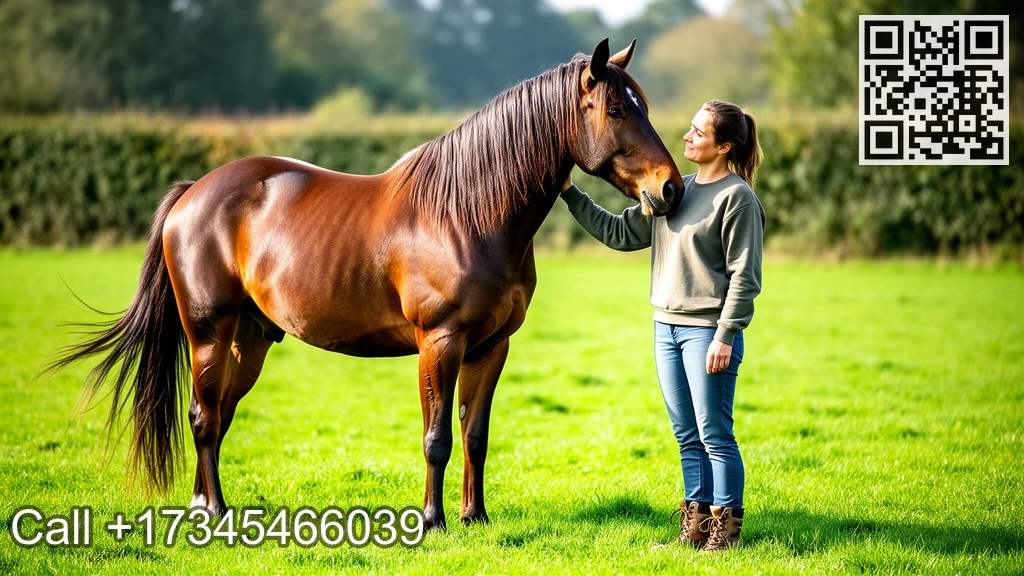
Some groups arrange quarterly refreshers. That can be a brief on-site workshop without horses, taking another look at concepts with concrete casework, or one more half day at the ranch to examine new patterns. You do not require constant horse time to make the understanding stick. You need repetition in the environments where you live and lead.
For educators and clinicians, a note on extent and collaboration
If your work mixes into look after people, take into consideration partnering with experts learnt therapeutic horsemanship and equine-facilitated health. The overlap with group building is genuine, especially when a college staff brings students later https://www.hhooves.com/contact-us for an incorporated program. Clear functions matter. Trainers focus on efficiency and relationships at work, while therapists guide recovery. Somatic healing with equines might turn up in both, however the framework and goals should be named so individuals know what they are doing and why.
Programs created for ADHD equine learning support or an autism equine finding out program call for foreseeable structure and sensorially thoughtful configurations. These enhance group sessions as well. Most organizations have neurodiversity in the mix, named or unnamed. Silent spaces, straightforward directions, and authorization to go back without penalty make better understanding for everyone.
What makes improvement stick
The word transform obtains thrown around, yet I use it moderately. Genuine transformation looks like less drama and even more choice. Individuals capture themselves before old patterns run them. They soften where hardness made use of to live, and they tighten where laziness dipped right into bitterness. They trust themselves a little more, and each various other too.
Horses aid because they react to what is present, not to the tale regarding what exists. That focus builds stability in little increments. When a group feels in their bones what clear purpose, tidy borders, and common interest can do, they bring that design template back right into rooms where deliverables and deadlines wait. They keep in mind the weight of a lead rope going light. They bear in mind a mare that selected to stroll close to them when they became in agreement. They keep in mind that management is not volume, it is a grounded invitation.
Team structure with equines will not take care of everything. It will certainly not reword a busted settlement strategy or change a missing item strategy. It will, however, offer your individuals a vivid, embodied experience of how to interact with more elegance and less waste. That is worth an early morning in messy boots.
If you decide to try it, pick a program that appreciates both human and equine wellness, request for clear goals, and come ready to exercise. The herd will certainly fulfill you where you are. And if you listen closely, they will show you a much better means to move, together, down the trail.