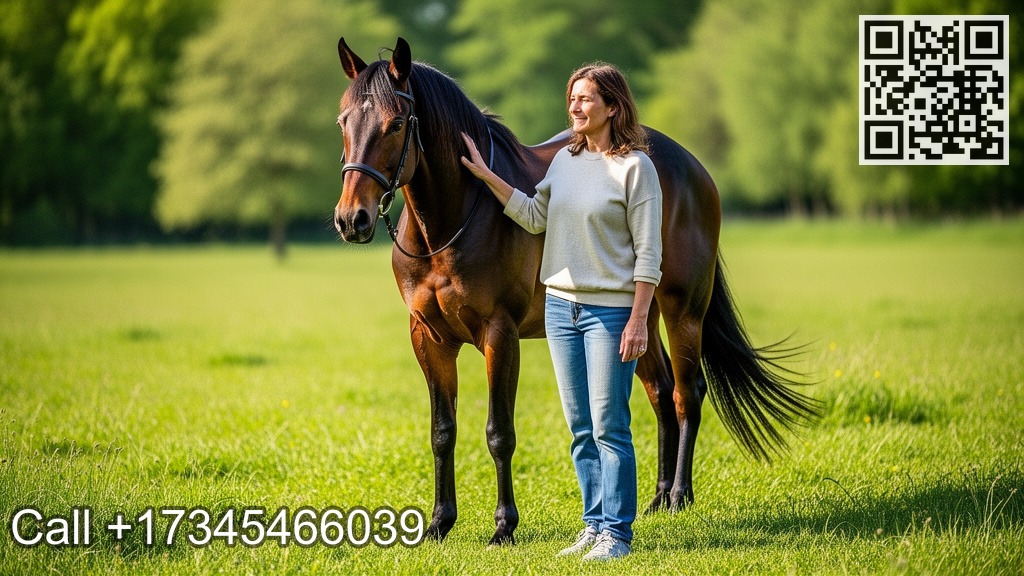
I keep in mind the first time I viewed a client's shoulders go down beside a constant bay gelding called Finn. She had actually gotten here tight as a drum, breath captured up high in her upper body, and stood beside the arena insisting she did not "do steeds." Finn stood at a distance, grazing on a hay web. 10 minutes later, with a few basic breath signs and a soft approach, they were strolling side-by-side. No halter yet, no pressure, just her existence and his approval. She whispered later, practically surprised, "I really felt seen." That is the heart of equine-facilitated coaching, the way equines seem to invite us back into our bodies, our honesty, and our sense of belonging.
Why horses assist us locate connection
Horses checked out the world through experience, stress, stance, and intention. They react to the power we bring, not the story we inform. A steed does not care about your task title, your diagnosis, or your armor of smart words. It respects whether you are meaningful, grounded, and respectful of room. When a thousand-pound prey pet recognizes you, matches your breathing, or actions towards you, the responses lands in a much deeper location than language.
That is one reason equine-facilitated mentoring typically aids people that feel disconnected from themselves or from others. The field comes to be an area where congruence matters more than efficiency. If your inner state does not match your external signals, a steed will certainly show it via motion. If your body softens, your breath slows down, and your intent becomes clear, the horse will certainly often soften with you. The result is not simply insight, but a really felt shift. For several, specifically those who have actually attempted talk-based supports without complete relief, experiential discovering with horses introduces a brand-new doorway.
Sorting the field: mentoring, tasks, and therapy
The equine field includes numerous strategies, and the hodgepodge can be complicated. Here is how I explain it to families, clinicians, and organizations determining where to start:
- Therapeutic horsemanship refers to a wide group that consists of mounted and unmounted activities taught by qualified riding trainers who adapt the environment to support riders with diverse demands. It commonly develops equilibrium, coordination, interaction, and self-confidence. Many centers consist of equine-assisted tasks that promote leisure skills, social connection, and finding out without always targeting professional diagnoses. Equine-assisted services is an umbrella term some organizations make use of to record the wide range of supports used with equines. Programs may consist of riding lessons, ground-based learning, veterans sustain, and wellness workshops. Equine-assisted mentoring, additionally called equine-facilitated mentoring, focuses on individual or specialist advancement making use of ground-based workouts. The trainer overviews reflection and ability building around objectives such as limits, leadership, interaction, and strength. There is no diagnosis or treatment strategy, and the process enhances, instead of replaces, therapy. Clinical equine treatment engages licensed mental wellness professionals or physical therapists that utilize the horse as part of a healing plan. You could see this for injury therapy, stress and anxiety assistance with steeds, or sensory combination work within an autism equine learning program.
Centers typically mix offerings. You may see equine-facilitated health groups on weekends, ADHD equine discovering support after school, and team structure with steeds for regional organizations. The trick is to match the strategy to the goal. If you want leadership method and personified confidence, coaching fits. If you require to deal with PTSD or an eating disorder, look for mental wellness experts that integrate equines into therapy.
What equine-facilitated mentoring really looks like
A good training session is not a horse ride. No helmets called for unless the program consists of mounted time, and much of the job takes place on the ground. I normally start in a silent space, introduce the equine at liberty or on a loose lead, and co-create a strategy with the client. Goals can be as easy as discovering to set and hold a boundary line, or as facility as restoring count on after workplace burnout.
In method, the field comes to be a living laboratory. If you hurry, the equine wanders away. If you center yourself and ask plainly, the horse transforms and advance. There is no person appropriate way. Some clients lead a horse via obstacles to explore exactly how they take care of pressure. Others stand still and discover to endure distance without collapsing their own needs. The learning often tends to land due to the fact that the body takes part. You are not just discussing limits, you are exercising one with a receptive partner.
An initially session, step by step
- Arrive and work out, with a short safety and security brief that includes where to stand, how to touch, and when to pause. Grounding method, such as box breathing or a sensory check-in, to help your nervous system shift into a receptive state. Meet the equine at a distance, observing position and signals, after that choose just how to approach. Engage in a straightforward task, like asking the steed to walk with you at a matched speed or to quit at a cone while you hold a limit rope. Debrief with your train, seeing where the task mirrored day-to-day patterns, and set one tiny technique to reclaim into your week.
That arc can unfold in several ways. If anxiety flares, we reduce. If a customer is kinetic, we may set a movement-rich task that consists of weaving posts, supporting with clear hand signals, and resetting when interest jumps. The equine's responses maintains us honest.
What the steeds educate our bodies
Clients frequently ask why this functions when they have currently read guides and tried to think their means to change. Steeds instruct with somatic channels. If you are holding your breath without discovering, an equine leaning away from you will make that pattern obvious. If your feet barely touch the ground after years in high-alert mode, you will certainly locate it tough to lead a steed with clarity till you root on your own. That is somatic healing with equines, the means body understanding and psychological discovering braid together.
There is additionally the matter of co-regulation. Many people locate their heart price and muscular tissue tone modification around calm steeds. The barn offers rhythm, from unguis on dust to distinct breath. Grooming welcomes bilateral movement and a mild pressure touch that can downshift a jangly nerve system. While not a magic bullet, this environment gives a scaffold that speak alone can not. I have seen clients tracking tension go from a 8 to a four in twenty minutes, then hold that adjustment while navigating an obstacle course with their steed partner. It is not magic, just a clear feedback loop.
Who pertains to the arena
I collaborate with a wide arc of people. Some seek equine-facilitated wellness after a life change, like a divorce or profession adjustment. Others come after burnout or an innovative block. Parents bring children for ADHD equine learning support when institution ends up being a daily fight. Individuals with sensory sensitivities explore a different therapy for sensory challenges since interior centers feel as well brilliant and tight. Autistic teenagers join an autism equine learning program built around predictability and choice, not forcing eye call or little talk. Adults with panic signs and symptoms come for anxiety assistance with horses to practice breath and limit abilities in a setting that really feels risk-free enough however real sufficient to stretch.
For teams, team structure with equines surfaces characteristics faster than a meeting room can. I have seen a team realize that 3 of them constantly over-function, one goes away under tension, and none of them asks easily for help. The steed will certainly stagnate through the barrier till the team calibrates its roles. That lesson returns to the workplace on Monday morning.
Safety, ethics, and practical edges
A responsible program places safety initially, for both human beings and horses. You should always see a proficient equine trainer or trainer existing, even in pure mentoring sessions. Facilities needs to have clear rules around headgears if riding is involved, emergency situation treatments, and steed welfare. The steeds themselves need normal rest, turnout, and the right to state no. If an equine pins ears, actions away, or looks stressful, your facilitator needs to respond swiftly and adjust the plan.
Not every condition is a suitable for every layout. If a person has a background of physical violence toward animals, I will certainly not start in the field. If a client has unrestrained seizures or remains in intense psychosis, I refer to a scientific group. People with severe allergic reactions may require a modified plan that limits pet grooming or utilizes an outside space with masks. The honest line is this: suit solutions to the individual, not vice versa, and do not push the equine or the human right into situations they can not browse safely.
A few tales from the rail
A forty-year-old item supervisor came to reconstruct confidence after a poisonous task. Her words were stable, however her body hid supporting in the shoulders and a practice of apologizing for everything. With a person draft cross, we practiced walking with purpose and quiting without reducing. By week four, she could request area with one quiet breath and a hand increased, then keep that boundary for a complete minute while the horse tested delicately. She reported utilizing the very same motion in stressful meetings, minus the steed, to excellent effect.
A fourteen-year-old with ADHD got here with a backpack packed with fidget tools and a history of detentions. He loved rate and hated waiting. We set up a barrier training course that awarded micro-pauses. The guideline, stated simply, was that the horse might stagnate ahead until the handler's feet were still and his eyes had checked 3 factors in advance. The very first shot resembled a tangle. By the fifth, his feet grown, breath came down, and the steed walked smoothly via. He timed his own runs and shaved secs not by rushing, yet by stopping briefly with objective. His mother later on discovered he utilized the same strategy for research, checking march loud before starting.
A parent of a youngster with autism came since consultations seemed like a rotating door of triggers and sticker labels. In the arena, we provided her child options: which brush to make use of, whether to come close to from the shoulder or the rump, when to tip away. The kid loved the predictability of grooming strokes and the weight of leaning gently versus the horse's shoulder. After numerous sessions, changes in the house enhanced when the household added a short "barn routine," also without a steed, that resembled grooming's rhythm before bedtime.
How teams learn with horses
Horses are brutally fair concerning leadership. They respond to quality, uniformity, and mutual regard. A team-building session might include relocating a loosened steed with a collection of cones without touching the animal, only by coordinating position, room, and intent. This reveals who speaks out, who listens, where dispute evasion lives, and exactly how the group handles obscurity. The knowing is sticky because it is felt. When a team experiences that the equine moves ideal when the quiet analyst maps the course and the character regulates quantity, it re-weights duties back in the workplace.
I prefer little teams for team structure, generally six to twelve participants, with a minimum of 2 steeds and two facilitators. That proportion provides room for observation and method. Debriefs matter greater than the barrier. If the group misses the knowing and only celebrates "we did it," we have actually lost the gold.
Preparing for your first visit
The practicalities are straightforward, though not constantly evident to urban clients. Wear closed-toe shoes and layers you do incline dusting off. Leave hanging scarves and noisy jewelry in the house. Prepare for the climate. Bring a canteen, and if you are scent-sensitive, allow the team understand so they can choose a quieter grooming area. If you fidget, claim so. Great facilitators value honesty more than bravado.
Shorter sessions of 45 to 60 mins are usually extra effective than long marathons. Your nervous system can take in just so much uniqueness simultaneously. A series of five to 8 conferences, spaced regular or every other week, tends to create recognizable changes. You will certainly recognize the job is landing when the modifications you pity the horse turn up in hard discussions or early morning routines.
A simple checklist to set on your own up for success
- Comfortable, strong shoes and weather-ready garments you do not mind obtaining dusty. A clear, small objective for the day, like "method claiming no" or "observe my breath under stress." Willingness to stop briefly and call what you are feeling, also if it is messy. A plan to integrate one little technique between sessions, such as three mins of based standing before phone calls. Communication with your various other service providers if you are likewise in treatment or OT, so sustains align.
Measuring development without obtaining rigid
People request metrics. It is reasonable to want evidence that time and cash are well invested. Some centers use official devices, others remain informal. I urge a crossbreed. Prior to you start, select two or 3 indications that would tell you life is getting less complicated: fewer closures at the office, better rest onset, even more comfy eye contact, less college crises. We also look at body pens, like breath price throughout an obstacle or the moment it takes to work out from agitation.
Quantify where you can. If panic spikes daily, track regularity and period every week you participate in. If your team's communication breaks 7 times in a two-hour meeting, check that number again a month after your sector day. Maintain the measures regional and truthful. Steeds help most when the focus remains on feature, out impressing a spreadsheet.
Working with children and sensory differences
For youngsters with sensory processing differences, the barn atmosphere can be a mixed bag. Appears echo. Hay can impulse. Natural leather has a strong scent. Those components can bewilder, or they can work as direct exposure with control. Great programs change the sensory tons. This might resemble utilizing quiet hours, brushing behind-the-scenes with natural light, or beginning with discuss a sheepskin pad before relocating to a curry comb. For some youngsters, installed time at the stroll, with a sidewalker and a leader, provides deep stress and vestibular input that helps regulation. For others, the tranquility of standing with a steed and matching breath works better. Different treatment for sensory obstacles must never ever be a one-size script.
ADHD equine discovering assistance succeeds when it networks motion and incentives interest, not suppression. Construct tasks that have beginning lines, goal, and a chance to reset without shame. Give immediate, concrete comments. Allow the steed's rhythms do several of the training. Youngsters find out quickly when the lesson is personified and the risks really feel actual yet kind.
Credentials, questions, and selecting a program
Vet your suppliers. Ask what accreditations or licenses they hold. Trainers might carry credentials in restorative horsemanship from companies that train flexible riding specialists. Equine professionals may be experienced handlers with years of horse care and habits. Trainers may have ICF or other training accreditations plus additional study in equine-facilitated training. If you are seeking clinical work, confirm that a qualified mental health and wellness expert or occupational therapist is really included, not simply spoken with once.
Walk the residential property. Seek clean water pails, risk-free secure fencing, and steeds with bright eyes and complimentary movement. Ask the number of sessions each horse does per day. The answer must be modest, with rest and turnout constructed in. Inquire about safety protocols, emergency situation plans, and just how they match steeds to clients. A thoughtful answer signals maturity.
Listen to your intestine throughout a test browse through. If you feel hurried, unheard, or unsafe, try an additional program. The ideal fit issues more than the appropriate brand name.
Cost, accessibility, and equity
Prices differ. In my region, exclusive training sessions with steeds range from 100 to 250 dollars for an hour, with team rates lower per person. Scientific therapy integrated with equines can set you back more, and insurance coverage is combined. Some facilities supply scholarships, sliding ranges, or community gives. Veterans groups and nonprofits typically underwrite services for particular populaces. Ask. If expense is a barrier, consider tiny group layouts or brief, concentrated series. Quality beats quantity. Four well-timed sessions can change a pattern if you exercise in between them.
Access also consists of transport and mobility. If a customer utilizes a mobility device or pedestrian, ground-based work at a properly designed center can still be rich, using installing ramps for proximity, taller pet grooming blocks, or adjusted lead job. Ask about accessibility choices ahead of time.
When it is not the best path
Horses are not for everybody. A deep concern of big pets that does not soften with time can make the work more regarding survival than understanding. Allergies often rule the barn out. Some people choose water or songs as their key corrective practice. That is great. The concept below equine-facilitated mentoring is relational, somatic understanding with receptive feedback. You can discover that with pet dogs in canicross, with rock in a climbing up fitness center, or with trees on a route. If you try horses and it does not click, recognize that and choose one more path toward belonging.
Bringing the learning home
The best outcomes come when you translate arena understandings into day-to-day rituals. If you located that planting your feet and breathing out welcomed Finn to tip toward you, examination that pose before a hard conversation with your young adult. If your group uncovered that silence helped the steed select, build a five-second time out before answering concerns in conferences. Small techniques, duplicated, re-wire patterns.
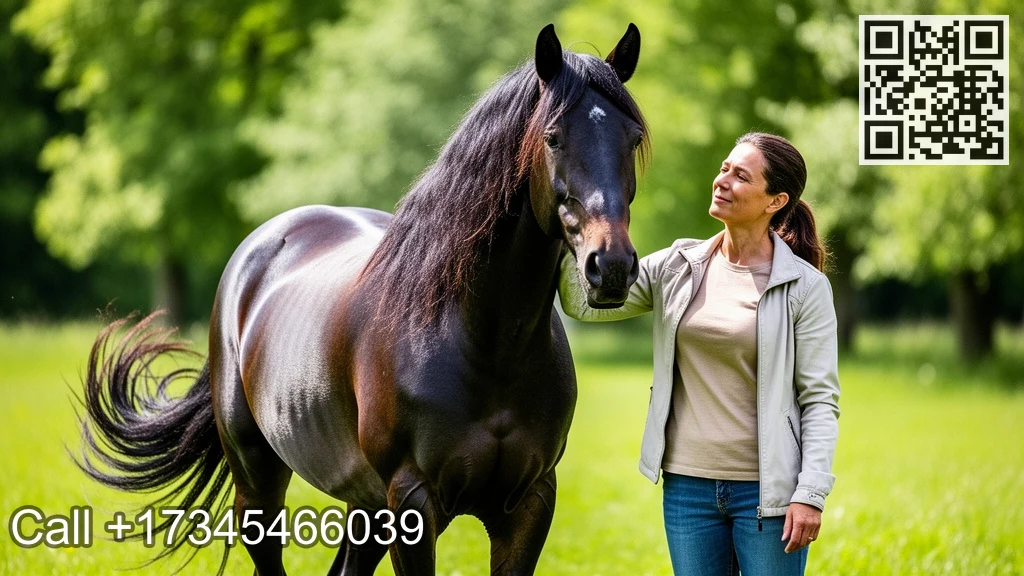
I had a client who taped a picture of her steed partner beside her computer system monitor with one expression underneath it: match your within to your outside. On days when her calendar swelled and her jaw started to hurt, she glanced left, stood, felt the flooring, and let her breath go down an inch. That thirty-second reset altered the top quality of her next conversation. In time, it changed her top quality of life.
Finding your herd
Belonging is not just concerning other people. It is additionally concerning belonging to your own body and internal knowing. Equines tend to satisfy us there, in the space between just how we believe we are and just how we really are. When an animal that can run away decides to remain, when it transforms its ear toward your voice and strolls with you, a thread draws limited in between nervous systems. That thread can remind you just how to be with yourself, after that with others.
Whether you are a moms and dad seeking a steadier rhythm in your home, a leader desiring cleaner borders, or a teen who needs a space where words are optional, equine-assisted mentoring supplies a grounded https://privatebin.net/?6ce1706802198c40#25rWqvNuWn5sNhbW4xVtPw3MRX2M2fi8h6CzLwkvitpi method forward. It lives within the wider landscape of equine-assisted solutions, along with healing horsemanship, equine-assisted tasks, and clinical therapies. The right match relies on your goals. Ask inquiries, go to barns, count on your feeling of fit, and choose the program that values both human and horse.
I still consider that initial customer with Finn. She arrived specific that link had slipped out of reach. She entrusted to hay on her sleeve and a silent smile. The arena did not fix her life. It did something simpler and much more extensive. It advised her that belonging is a method, learned detailed, breath by breath, with an instructor that talks in unguis and silence and presence.