Mornings on the ranch begin prior to eviction opens. You can listen to the soft shuffle of hooves in the sand, swallows mapping arcs in the rafters, and the kind of silent you can really feel in your ribs. By the time the first individual steps from gravel to barn aisle, the herd has actually currently scanned and cleared up. This is when mentoring starts, long before a word is talked. A steed snaps an ear, a client exhales, and a discussion materializes that carries much more truth than a lot of meetings at a conference room table.
Belonging based training is not a technique as long as a stance. It begins with the presumption that individuals move toward development when they feel seen, secure, and part of something. Equines, with their truthful responses and clear limits, assist us build that ground underfoot. The farm ends up being the area where you can try once again, without requiring to perform.
What belonging feels like around horses
Belonging is not a slogan on a barn wall surface. You can inform it is present when individuals quit supporting. Shoulders go down. Jokes land. The reluctant teenager strokes a muzzle and forgets to see himself for a moment. The executive stops preparing her solution while her coworker speaks and decides to listen, truly pay attention. In the very best sessions, the nerves takes the lead, and labels show up after the body knows what is true.
In my deal with equine-assisted training and therapeutic horsemanship, belonging emerges from 3 components that enhance each other. First, the herd, which versions collaboration and borders in motion. Second, the farm setting, which welcomes sensory interaction rather than screen-driven alertness. Third, the assistance, which reduces things down and utilizes average tasks as entrances to understanding. When these align, equine-assisted solutions change from novel activity to dependable container, the kind people go back to due to the fact that they can tell the ground holds.
Why the steeds matter
Horses are victim pets. Their survival has actually constantly depended upon reading the space, which is to state reading the body and breath of whatever around them. They do not care about your title, your medical diagnosis, or your script. They care if your feet are consistent, if your focus is spread, if your ask is too loud or as well vague. You can muscle mass a door open; you can not muscle a thousand-pound animal into trust.
For a client who has found out to mask, this is disarming. For someone that leads with beauty, it can be annoying initially, then clarifying. Equines discover what you do, not what you say. In equine-facilitated coaching, we use this to illuminate how patterns show up. Are you overhelping? Ask an equine to follow you via a set of cones and see what happens when you rush in advance without signing in. Are you contrast averse? Try setting a clear limit with a mare who maintains nosing right into your area and feel what it resembles to be company without being harsh.
Because responses from the herd is instant and unpoliticized, it lands with a various weight. The change procedure comes to be experiential learning with steeds, not a lecture. Lungeing a gelding that mirrors your tense speed, after that viewing him resolve as you work out, seems like direct evidence that self-regulation is contagious. It is one point to be informed that visibility issues. It is another to see a horse choose you due to the fact that you lastly obtained silent adequate to be trustworthy.
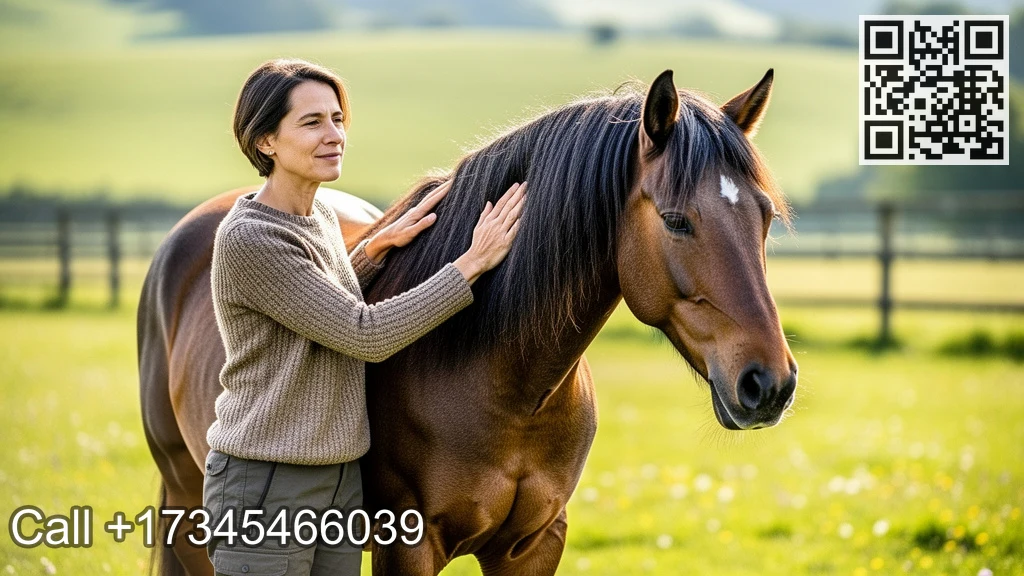
The ranch itself as a helpful space
I commonly fulfill clients that do not recognize just how much power they spend filtering system sound, light, and social hints. On the ranch, all the usual friction factors loosen up a notch. The air scents like hay and dirt, not anti-bacterial. We trade fluorescent lights for skies. The acoustics of a barn request conversational tone, not estimate. Your footwear pick up a little dust which is not just allowed, it serves. Sensory inputs are rich and trackable, as opposed to chaotic.
This issues especially for folks seeking Alternative therapy for sensory obstacles. The rhythm of a horse eating hay, the https://sethvkom049.bearsfanteamshop.com/finding-your-herd-equine-facilitated-mentoring-for-connection-and-belonging warmth along a flank in winter season, the muted thud of unguis on jam-packed planet, these are grounding signals for a nerve system that has actually discovered to safeguard itself by adjusting out or showing up. In a helpful farm area, individuals can broaden their home window of tolerance without being swamped. We calibrate strength by moving from delay to arena to field, by selecting a silent gelding over a dynamic mare, by choosing to observe before we touch.
I have actually seen young customers on the autism equine discovering program find their initial certain stride strolling close to a pony, tiny hand on lead rope, duplicating a straightforward cue sequence till it comes to be a song their body knows by rote. Moms and dads often wreck when they view. It is not the love of horses. It is the proof that their kid can absorb the globe and respond, without shorting their own circuits.
Safety as permission, not simply helmets
We talk a lot about physical security in equine-assisted tasks. Helmets fit, boots shield toes, gates latch, and we never shortcut a method because the steed looks sleepy. That said, the security that alters individuals is relational. Consent is the back of our work, covering human and steed. We ask before we touch. We wait for an indeed that is not uncertain. We recognize a no, also when it is bothersome for the schedule.
I begin every program with an approval routine that is easy and non-performative. It cues participants that their experiences matter more than my agenda, and it educates them to look for the horse's signals with the same regard. Over time, this ends up being culture. People check ears and eyes. They observe yawns and reduces of the head. They find out that going back can be an endure move.
Here is a small list we keep visible in the sector whenever sessions are energetic:
- Is everyone below by choice, and can they step out at any moment without penalty? Has the horse decided in, revealing loosened up position and strategy, not just tolerance? Do all handlers understand the plan, the exits, and their roles, including that claims stop? Are sensory needs called and supported, from ear defense to break spaces? Has the team agreed on signals for pause, sluggish, and no?
Consent is not soft. It is solid enough to carry dispute. The 10-year-old who states no to riding today and explores grooming rather is building a muscle mass we desire him to have. The supervisor who stops a team workout due to the fact that her upper body is limited is modeling attunement, not fragility. Steeds mirror that quality. When we appreciate a steed's no, he typically uses a more honest yes next time.
Who benefits, and how we tailor the work
People get here for different reasons. Stress and anxiety support with steeds is a common entry point for grownups who have attempted talk-based training but can not shift the sensation of dread that hums through their early mornings. They commonly carry their shoulders by their ears and speak as if excusing taking space. In the sector, we start with basing via the senses, not cognitive reframing. We may count action in time with a gelding's walk, or match our breath to the brush's stroke, down the neck, pause at the shoulder, up the hair. Somatic healing with horses is not mystical. It is patient, repeated, and anchored in the here and now tense.
Families searching for ADHD equine learning support want activity without disorder, difficulty without continuous correction. Horses succeed right here. They reward clarity, not intricacy. We structure brief sequences that build executive function: halter, result in a pen, stop, back two steps, take a breath until both of you soften, then transform. The goal is not obedience drills. It is practicing initiation, follow up, and repair when a cue gets garbled. Lots of youngsters who have a hard time to sit still can stand very still when an equine's muzzle remains in their hands, breath cozy on their knuckles, because it ultimately matters.
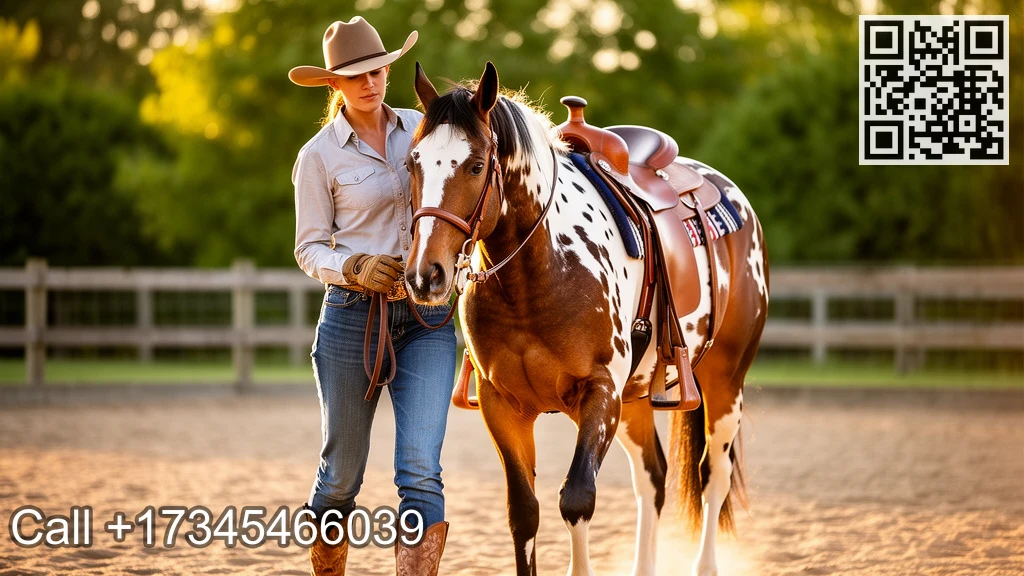
The autism equine learning program on our ranch blends routine with selection. We maintain transitions predictable and visual, but we provide actual decisions that lug weight. Which brush initially. Which path with the cones. Where to stand to be easy to follow. Some sessions stay on the ground for months. For others, riding at the walk enters into the plan, with 2 side pedestrians and a leader until the biker shows sufficient trunk control and directional understanding to minimize support. The measure is not speed up of advancement. It is the cyclist's policy and agency.
Adults that sign up for equine-facilitated wellness typically name tension and interference from their own bodies. They seem like a head brought around by a hesitant neck. With them, I integrate in-barn stops that look like "nothing," and those mins end up being the heart of the practice. Sit on a hay bundle, see the mare drink, count your swallows, feel where your hips attach to the bale. Talk only if something is noticeable. After that attempt the ask once again. Steeds prefer contradiction-free demands. So do people.
Program form, from arrival to integration
A well-held session really feels smooth, even when a dozen micro-decisions are relocating under the surface. I choose a steady arc that offers customers time to arrive, involve, and integrate. It helps individuals and for group structure with steeds when we hold leadership groups from little firms.
Here is the straightforward four-phase circulation we make use of most often:
- Arrival and positioning: park, stroll the perimeter, a brief briefing, gear check, and shared introductions. Goals are called lightly, frequently by explaining what would really feel different by the end. Groundwork involvement: coupling with an equine for monitoring, brushing, leading, and one or two shaped tasks matched to capacity. Spoken handling stays minimal at first, after that builds as clearness appears. Reflection moving: slow-moving walk around the field edge or seated pause in the sector, articulating what was discovered, not why it occurred. If riding is part of the plan, it commonly happens below at the walk. Integration and exit: translate understandings to every day life with one concrete dedication, schedule the next session, and dissolve the deal with a last look at state. Leave time to stand at the fence line a min before you hit the gravel.
Compression is appealing, specifically with corporate teams. It rarely aids. A 90-minute block is suitable for individuals. For groups, half day is the minimum that enables security rundowns, experiential exercises, and real representation without hurrying. The best feedback we get after these occasions is not "that was fun," though it commonly is. It is "I recognize what to transform on Monday, and I currently started."
How groups grow in the arena
If you want to test a team's ability to interact, provide an obscure task and a brief deadline. If you want them to boost, place them with a steed and request for a details result that needs nonverbal control. For example, relocate a steed with a series of obstacles without touching his halter. Individuals will certainly chat, after that chat louder, then recognize the steed is standing with a bemused look waiting on a person to obtain consistent.
The patterns surface area promptly. A pair prepares meticulously and never ever moves. Another set acts emphatically and leaves half the group behind. In excellent facilitation, we stop briefly the action and reset the frame: exactly how will the equine recognize what you are asking, and that is responsible for steady contact? When groups realize that quality and timing matter greater than volume, the energy in the arena adjustments. Equine-facilitated coaching makes abstractions tactile. You can see trust, feel it in the rope, enjoy it wobble when tension spikes, and restore it with a breath and a softer hand.
I bear in mind a logistics company's operations staff who spent twenty mins falling short to ask a mare to tip onto a low bridge. They were used to screaming against noise and hustling pallets with forklifts. When they silenced down and one person breathed enough time to match his ask with a launch, the mare tipped up. Their debrief did not state equines. It named handoffs, duplicative instructions, and the cost of rushing under pressure. They transformed one radio method the following day and reported less missed out on tons that quarter. That is equine-assisted training doing its work off the farm.
Coaching, treatment, and when to refer
Lines issue. While some programs are supplied by qualified mental wellness experts under an equine-assisted solutions version, much of what we do sits in mentoring and discovering, not psychotherapy. We work on abilities, guideline, interaction, and management behaviors, and we do it in partnership with steeds. When injury material surface areas that would take advantage of medical assistance, we decrease, hold the limit, and refer. Clients are worthy of a clear agreement regarding extent from the beginning. A great farm becomes part of a network, not a cosmos unto itself.
Therapeutic horsemanship, which focuses on developing riding and horse-handling abilities for people with varied capabilities, has its very own standards and training paths. It overlaps with our work however is not the same. A therapeutic riding lesson has objectives like improved balance, reciprocal sychronisation, and freedom at the walk. An equine-facilitated wellness session could never accumulate, yet provide a profound change in exactly how an individual experiences risk and safety and security. Both belong. Clarity about which you are providing avoids overpromising and maintains equines and human beings safe.
Measuring what matters
It is easy to oversell influence by leaning on wonder tales. I like steady metrics that value complexity. We track attendance, conclusion of objectives set at consumption, self-reported shifts on a three-item guideline range, and, with permission, brief qualitative notes from caretakers or managers. For team programs, we request for one behavior adjustment to apply within two weeks and comply with up at 30 and 90 days to see if it stuck. Numbers are not the whole picture, but they remove hopeful thinking.
Horse well-being is a statistics also. We log session lots per steed, rest days, vet and farrier care, and observable tension signs like tail swishing, pinned ears, or refusals. If a steed pulls out greater than a handful of times in a month, we reassess his duty or work. Our duty of care goes both directions.
Ethics and the horses' say
Clients often ask if the steeds like the job. Some do, plainly. They stroll to the gate when the van pulls in and plant themselves by familiar faces. Others are better suited to pasture-based roles or single-client work. Matching character to task is an ability worth exercising. The saintly lesson pony is not constantly the ideal partner for an extremely nervous grownup. Occasionally an extra expressive gelding who shows his annoyance welcomes far better boundaries and a more accurate connection.
We never ever use a steed to achieve a human innovation. If a steed reveals regular discomfort with a game, we retire the video game. If a customer wants to ride yet the steed has a sore back, the ground is our class that day. The compromise is that we in some cases disappoint people in the moment to protect the connection long term. That is a type of training too.
Edge instances, restrictions, and straightforward limits
A helpful ranch area is not a magic bullet. Climate forms plans. Heat and moisture slim home windows of risk-free effort, specifically for older steeds. Cold increases tightness for cyclists with joint pain. Allergic reactions can thwart best-laid intents; we keep antihistamines handy and ask individuals to consult their carriers in advance. If a participant is clinically unsteady, proactively psychotic, or not able to comply with basic security signs, equine work may need to wait or be greatly modified.
Cost is a real obstacle. Equines eat whether programs run. We offer sliding range ports moneyed by benefactors and run team sessions that decrease per-person costs. We likewise train caregivers to equate barn finding out to home or school, so the value keeps intensifying in between sees. For some, virtual follow-ups preserve energy when travel is difficult. While that loses the equine's live presence, it aids incorporate gains and safeguards budgets.
Getting started, and what to look for in a provider
Not every place that places a person beside a steed is doing the same job. Ask just how instructors are educated and by whom. Qualifications matter much less than showed competence, yet credentials from reliable bodies reveal a dedication to standards. Tour the farm. Take a look at the equines' eyes. Are they curious or closed down? Enjoy a session from the rail with permission. Do you see authorization signals honored at a walking speed, or are people rushed via picture ops?
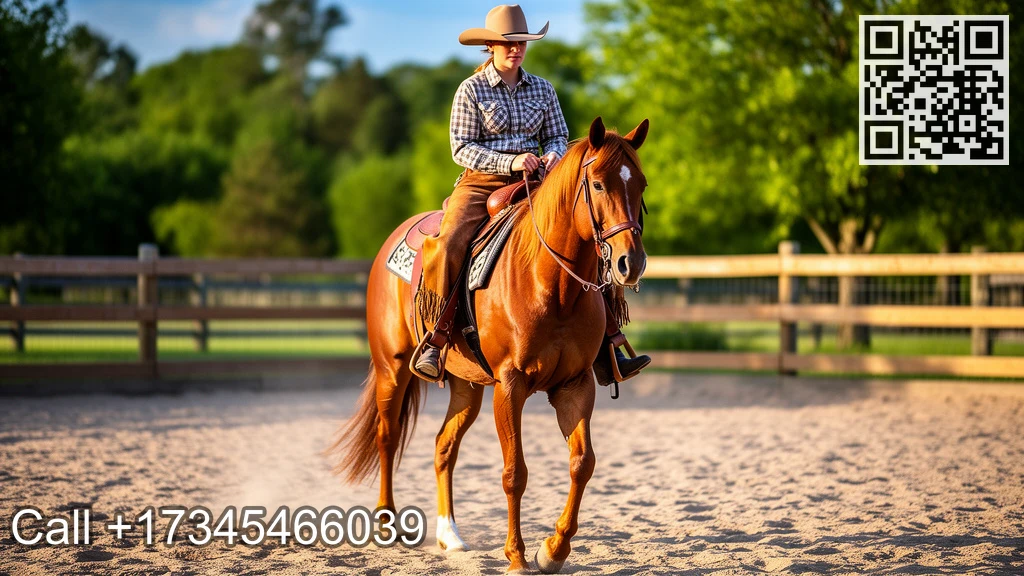
A great fit appears in the intake conversation. If the provider can pay attention more than they pitch, if they can inform you no when needed, and if they can name clear objectives that you help specify, you get on the ideal course. For college districts, ask for educator-friendly paperwork. For facilities, request instance sychronisation procedures. For families seeking Alternate therapy for sensory difficulties, scenic tour at a quiet time, see your kid's hints, and trust fund what you see.
A quieter finishing that maintains working
Toward the end of last fall, among our long-time participants arrived roughed up by a tough week. He stood at the fencing line for 10 mins without requesting for an equine. The gelding he typically works with roamed over, not crowding, simply close by. The guy started to take in a steadier rhythm. He named something he can do that night to make early morning simpler, then spent the next half hour brushing up the barn aisle in long, calm strokes while the gelding slept in the sunlight. He left without a dramatic understanding, just steadier than he came. 2 days later on he sent a short note: slept through, didn't clinch on waking. I keep that message as a reminder.
Belonging based coaching grows in the ordinary. It does not require drama. It resides in clear asks, reasonable limits, and the courage to let a herd of horses tell you when you have located the ideal rate. When individuals feel risk-free sufficient to be specifically where they are, change takes place the method seasons do on a farm, with more perseverance than spectacle, and with origins durable enough to hold through weather.